
Engaging in regular physical activity and avoiding tobacco and other toxins can also support nerve repair and improve overall health, influencing the recovery timeline for neuropathic symptoms. In one clinical study, aimed at studying distinct clinicopathologic features of alcoholic neuropathy, 64 patients Alcohol Use Disorder were assessed. In 47 of these patients sural nerve biopsy was performed, with discrimination in terms of their thiamine status 3.
Stress management techniques, such as mindfulness, meditation, or yoga, can also help, as stress may exacerbate symptoms. Consistent follow-up with healthcare providers is essential to monitor progress, adjust treatments, and address any emerging complications. Early and comprehensive intervention offers the best chance for symptom relief and preventing the progression of neuropathy. Nerve conduction studies (NCS) and electromyography (EMG) are essential tools for assessing nerve https://jhr-personal.de/how-naltrexone-reduces-alcohol-cravings/ function and confirming the presence of neuropathy.
- What about some home remedy options or alcoholic neuropathy vitamins — do they exist?
- Alcoholic neuropathy is a serious disorder that is difficult to completely reverse or cure.
The Role of Vitamin Deficiency
The longer and heavier the drinking pattern, the more extensive the nerve damage. Research from the American Journal of Medicine shows that early intervention dramatically improves outcomes. Medications for nerve pain may include certain antidepressants, anticonvulsants and topical treatments. Finding the right combination requires patience and close work with healthcare providers. If a person does not stop drinking, the issues connected to alcoholic neuropathy will fail to recover and may become permanent. Untreated alcoholic neuropathy continues to worsen over time, and the effects can be permanent.
Chronic consumption of alcohol has been implicated in end-organ damage to multiple systems. Patients with multisystem damage as a result of alcohol consumption often die of cardiac or liver failure. The damage to nerves can be significant and in more severe cases, irreversible. Normally, the first step to treatment is to stop the alcohol intake completely. But even long after the person stops drinking, nerve damage may still be present. Izumi et al. 73 also demonstrated that a single day of ethanol exposure in rats on post natal day 7 results in significant apoptotic neuronal damage throughout the forebrain after 24 h of ethanol administration.
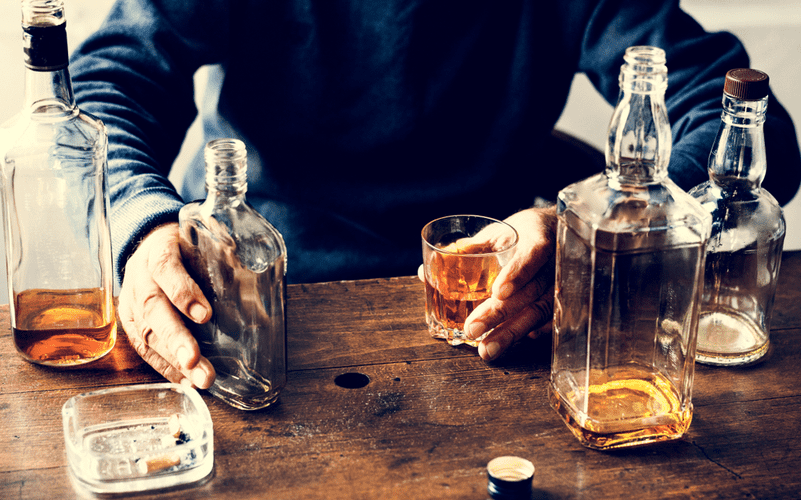
Nova Recovery Center Austin, Texas.
Recovery time for alcoholic neuropathy varies widely based on the severity of nerve damage and whether the individual abstains from alcohol. In mild cases, symptoms may improve within months, but the damage may be irreversible in more severe cases. If left untreated, alcoholic neuropathy symptoms can worsen, leading to chronic pain, weakness, and even mobility issues. There are ways to slow, manage, and sometimes even reverse this condition. As nerves begin healing from alcoholic neuropathy, you may notice other positive changes.
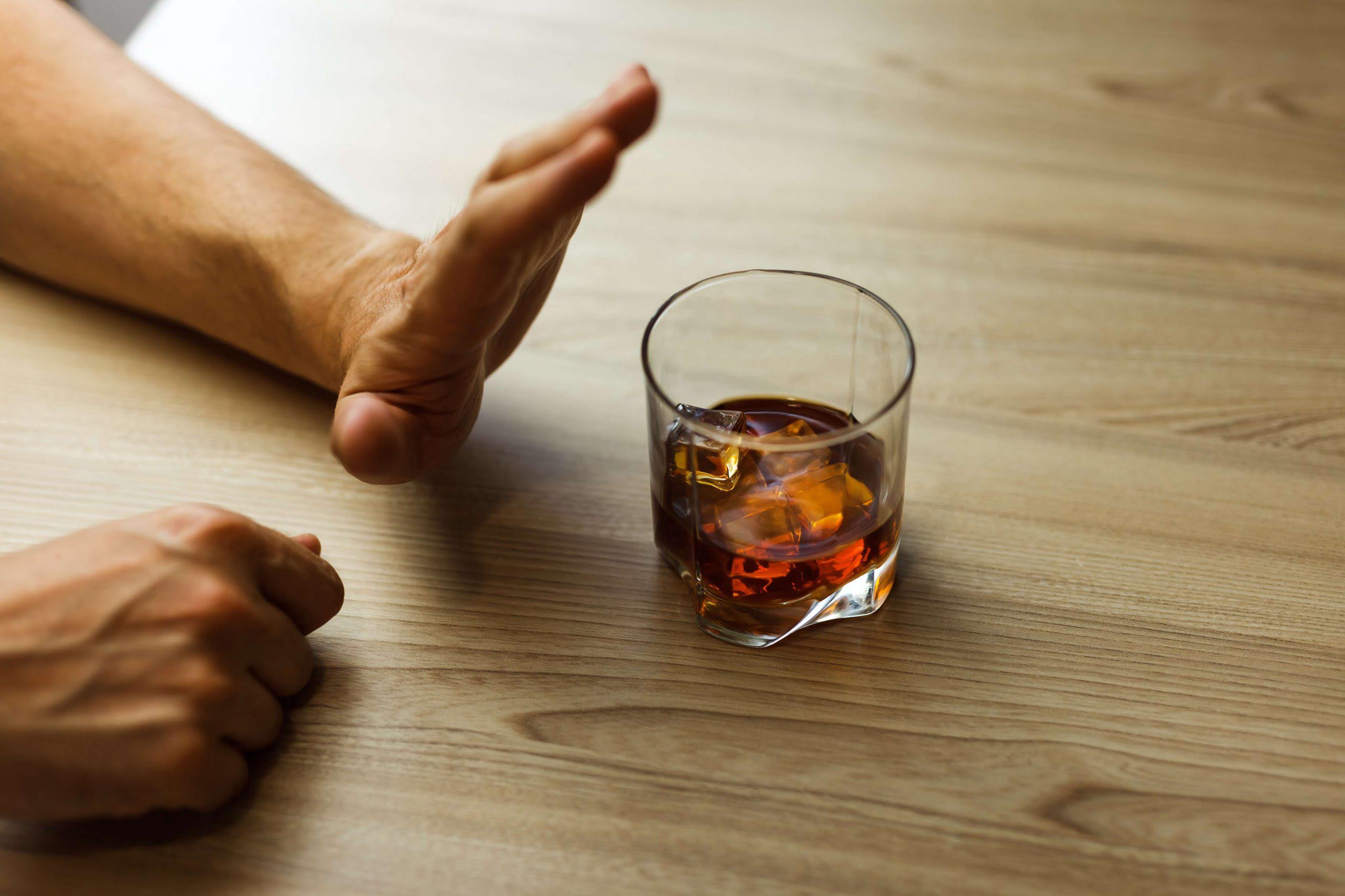
Can Alcohol Neuropathy Be Cured? Treatment Options
Alcohol abuse treatment might lead to a resolution of neuropathic pain and alleviation of its symptoms. This can be achieved by complete alcohol abstinence and a balanced diet primarily supplemented by B6, B12, and E vitamins, as well as folate, thiamine, and niacin. Benzodiazepines are commonly used to reduce the symptoms of alcohol withdrawal syndrome; acamprosate and naltrexone are effective to treat alcohol dependence; however, the latter usually induces withdrawal symptoms 175. Further, serotonin-norepinephrine reuptake inhibitors are prescribed to treat alcohol-induced neuropathic pain via exerting antinociceptive properties by increasing serotonergic and noradrenergic neurotransmissions 71.
Chronic Pain

Changing long-standing habits can feel overwhelming, but each step you take matters. Your care team will work with you to manage alcohol use and improve your nutrition. Progress can be slow, and there may be tough moments, but that’s part of the process.
Is It Possible To Recover From End-Stage Alcoholism?
Risk factors for developing alcoholic neuropathy include the amount and duration of alcohol consumption, nutritional deficiencies, and individual susceptibility to alcohol’s neurotoxic effects. People who consume large quantities of alcohol over an extended period, who would qualify as alcoholics, are at higher risk, especially if their diet lacks vital nutrients needed for nerve function and repair. Genetic factors may also play a role, making some individuals more prone to alcohol-related nerve damage than others. Additionally, overall physical health, liver function, and concurrent use of other substances can influence the onset and severity of neuropathic symptoms. Alcohol Neuropathy is caused by chronic, excessive consumption of alcohol over months or years.
These tests can alcohol neuropathy stages identify abnormalities before symptoms become severe, allowing for timely treatment. Patients experiencing early signs of neuropathy, such as burning sensations or muscle cramps, should promptly seek these tests to confirm the diagnosis and initiate management strategies. Thirteen studies provided data from the biopsy of the sural nerve or the skin in patients with alcohol-related peripheral neuropathy.
- A person with a dependence may go throughwithdrawal symptomswithout a certain level of alcohol in their body.
- Alcoholic neuropathy is a primary axonal neuropathy characterized by wallerian degeneration of the axons and a reduction in the myelination of neural fibers.
- Recovery time depends on the severity of nerve damage and how quickly treatment begins.
- Chronic alcohol consumption disrupts glucose regulation, leading to fluctuations in blood sugar levels that can damage nerves over time.
Patients with non-alcoholic thiamine deficiency neuropathy showed more abrupt onset of symptoms, mainly in a form of motor dysfunctions; biopsy showed damage to greater fibers with subperineurial edema. ALN with thiamine deficiency was manifested as a variable mixture of these symptoms. It was proposed that ALN pathogenesis, besides thiamine deficiency itself, could be due to its inappropriate use in the organism or transketolase deficiency 150. Further, alcohol impairs vitamin B1 absorption and its storage in the liver 151,152,153.
Addressing these deficiencies through supplementation is essential at every stage. Nerves in the extremities are typically affected first, with symptoms beginning in the feet and hands. Without intervention, nerve degeneration continues and may become irreversible.