
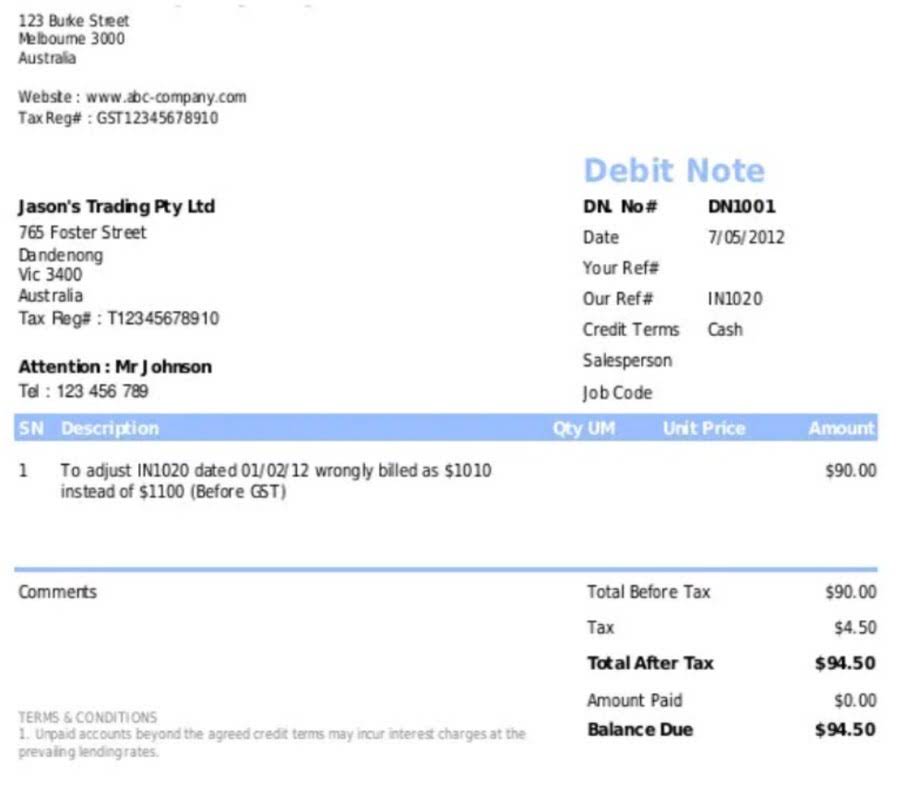
Remittance advice shows that an invoice will be paid shortly, while proof of payment shows that it has been paid. The buyer sends remittance advice expressing the intention to pay an invoice, but it doesn’t show whether the payment has actually gone through. Most businesses use a standardised template or format to ensure they include crucial information. Remittance advice is sent to notify the payee of the details of a payment, ensuring the accurate allocation of funds to remittance advice the correct invoices and facilitating efficient account reconciliation. A typical piece of remittance advice includes several critical pieces of information for the recipient to identify and process the payment accurately.
How HighRadius Can Help Streamline Your Remittance Processing

Find out everything you need to know in this handy guide, including what https://bionews.bioeconomycorporation.my/2023/04/24/what-is-an-irs-1040-form/ information is typically included with remittance advice. Volopay’s multi-currency support is a game-changer for managing global payments. With low foreign exchange (FX) fees, you can pay suppliers worldwide without worrying about high conversion costs.
- Large enterprises may opt for ERP systems to generate remittance advice, consolidating multiple payments into a standardized report for easier reconciliation.
- Each type has its advantages, so businesses should choose based on their specific payment and reconciliation requirements.
- Most organizations use electronic remittance advice (ERA) in the ANSI X format, which lets payments, adjustments, and denial reasons post directly into the practice management or billing system.
- That’s how remittance advice plays a key role in tracking paid invoices and helping businesses know what to expect.
- It may include the expected arrival date for payments that take time to process.
- This is particularly vital in international trade and outsourcing services, as it prevents discrepancies caused by currency fluctuations or intermediary bank fees.
What is a liquid asset in business?
For example, a patient might receive a removable invoice advice from their doctor that’s connected to a bill. The top portion of the paper might specify what was charged, while the bottom includes an area that can be cut out and mailed back with the payment. Companies can also include remittance advice when making payments to suppliers. While it might seem like overkill to include a notice at the same time as a payment, it can save time in the long run.

Accounts Payable Solutions
You https://www.bookstime.com/ can then check payment was received using the payment details in the payment remittance. It’s a way of keeping communication between the client and supplier much clearer. Aspire Business Account offers a comprehensive cash flow management solution, including multi-currency business accounts, corporate cards, and expense management tools.

While somewhat antiquated compared to modern digital methods, faxing remains a viable option for transmitting remittance advice. In today’s complex business landscape, accurate record-keeping is non-negotiable. Book a free 30-day trial or talk to one of our advisor and see how our accounting software can help you manage staff, increase profitability and take your practice to the next level. These codes provide additional explanation for an adjustment already described by a Claim Adjustment Reason Code (CARC) or convey information about remittance processing. In the meantime, explore how other leading companies modernize their finance operations with Tipalti.
A remittance advice is frequently printed as an attachment to a check payment. The payables software generates the remittance advice automatically, as part of the check printing process. The remittance includes the invoice number and payment amount for each invoice paid.

How to Interpret an Electronic Remittance Advice (ERA) in Medical Billing
- There is no standardized format for remittance advice—it will differ based on the company and the payment method used.
- Barbara is a financial writer for Tipalti and other successful B2B businesses, including SaaS and financial companies.
- These documents can be created using accounting software, Microsoft Word, Excel, or Google Docs.
- Electronic remittance advice (ERA) and explanation of benefits (EOB) documents both describe how a claim was processed, but they serve different audiences and purposes.
- It provides a simplified summary of services billed, what the insurance paid, and what the patient may owe.
Simplify your global batch payments and pay thousands of vendors, suppliers and employees in 30+ currencies, with automatic reconciliation in your accounting software. 835 remittance advice, better known as an Electronic Remittance Advice (ERA), is essentially an electronic file used to explain the payments of various claims in the healthcare industry. Insurers use it to provide healthcare providers with information about the payments made for services or procedures. They also inform providers of any charge reductions or denials and state if any co-payments or deductibles have been applied.
Proof of Payment
While both documents relate to the same claim, ERAs are operational tools used by billing teams, whereas EOBs are informational summaries designed for patients. Electronic remittance advice (ERA) and explanation of benefits (EOB) documents both describe how a claim was processed, but they serve different audiences and purposes. A denied claim was processed and reviewed, but the payer determined that payment would not be made for some or all services. We’ll also touch on a convenient and cost-effective way to receive invoice payments in multiple currencies with Wise Business.
And, once you choose where you want to open, our team will make direct banker introductions. Because it matches invoices to payments, remittance advice can help prevent overpayment or duplicate payment. Remittance advice is pivotal in the transaction process, especially when businesses manage incoming payments. CombineHealth helps billing and denial teams move faster by automatically reading ERAs, posting payments accurately, and turning denial data into clear, actionable insights.
Continuously monitor and refine your remittance advice process using analytics. Most AP software offer dashboards to track metrics like delivery times, error rates, or supplier feedback. Use these insights to identify bottlenecks, such as delayed advice or frequent mismatches, and address them promptly. Leverage online training modules or vendor-provided tutorials from platforms like Volopay to keep your team updated on automation features.